

 Beagle Knits
 Pattern



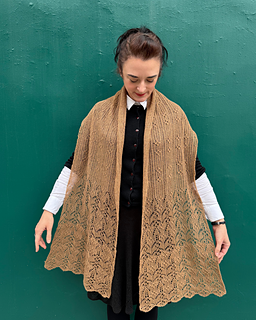
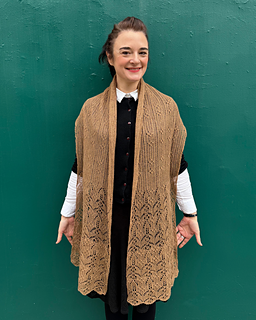

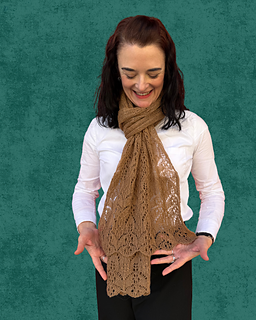
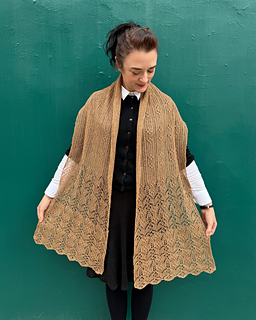
Khöös

ENGLISH & ITALIAN BELOW
En las vastas estepas de Mongolia, donde las caravanas de camellos avanzan lentamente bajo cielos inmensos, existe una tradición profundamente conmovedora. Cuando una camella rechaza a su cría, las pastoras nómadas entonan un canto llamado khöös: una melodía lenta y repetitiva que calma al animal y restablece el vínculo entre madre y pequeño.
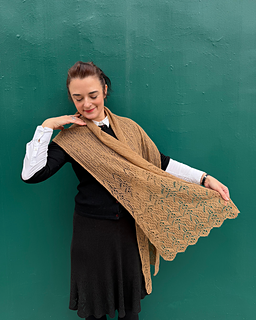
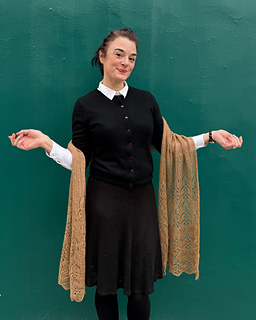
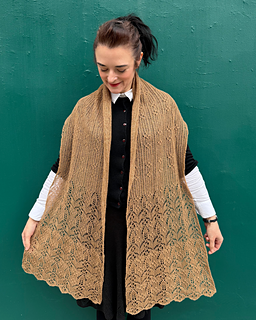
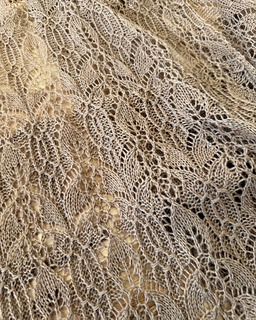
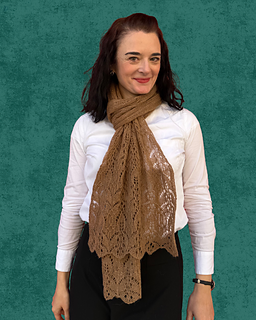
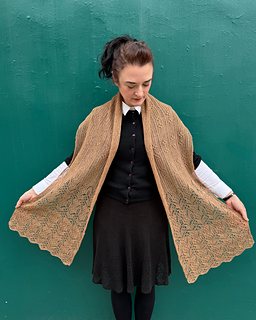
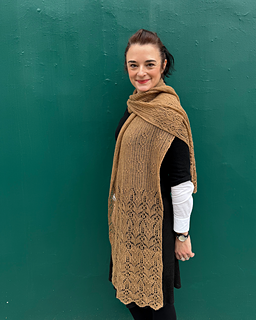
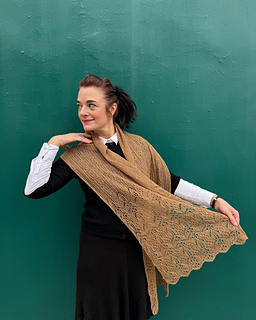
Esta estola toma su nombre de ese canto ancestral. Tejida con hilo de camello mongol procedente de rebaños nómadas protegidos por la MONES, sus motivos se repiten con un ritmo sereno, como una melodía que vuelve una y otra vez hasta encontrar su armonía. Las columnas de puntos recorren la estola como las caravanas que atraviesan la estepa, mientras la suavidad de la fibra recuerda el calor y la cercanía de los rebaños que han acompañado a los pueblos nómadas durante siglos.
Así, cada punto tejido se convierte en un eco de esa antigua canción: un gesto de cuidado, paciencia y conexión con la estepa.
La estola Khöös se construye en dos mitades simétricas. Tras montar los puntos con doble hebra, se trabaja un primer motivo que evoca las formas de la arquitectura tradicional mongola. Este mismo motivo se repite después con una sola hebra, creando una transición más ligera en el tejido.
A continuación, la estola continúa con una serie de columnas de puntos que recorren la pieza y recuerdan a las caravanas que avanzan lentamente por la estepa. Llegado ese punto, los puntos se dejan en espera y se trabaja la otra mitad de la estola de la misma manera.
Por último, ambas mitades se unen en el centro mediante el punto Kitchener, creando una transición limpia y casi invisible que completa la pieza.
HILADO
4 ovillos de Dauria de Alpacas El Camino (100% camello bactriano) (265 m/25 g) o cualquier otro hilado de grosor lace de composición similar.
MATERIALES
- Agujas circulares de 3 mm, o las necesarias para obtener la muestra de tensión, y cable de 60 cm.
- Aguja auxiliar de trenzas.
- Hilo de desecho.
- Tijeras.
- Aguja lanera.
MEDIDAS FINALES
200 cm x 42 cm.
NIVEL DE DIFICULTAD Y CONOCIMIENTOS NECESARIOS
Intermedio. Debes saber hacer (encontrarás vídeos en la sección VÍDEOS DE TÉCNICAS):
- Montaje de hebra larga.
- Disminuciones simples del derecho y del revés.
- Punto nudo envuelto.
- Punto Kitchener.
In the vast steppes of Mongolia, where camel caravans advance slowly under immense skies, there is a deeply moving tradition. When a camel rejects her baby, nomadic herders sing a song called khöös: a slow, repetitive melody that calms the animal and re-establishes the bond between mother and child.
This stole takes its name from that ancestral song. Worked in Mongolian camel yarn from nomadic herds protected by the charitable organisation MONES, its motifs are repeated with a serene rhythm, like a melody that comes around again and again until it finds its harmony. The columns of stitches run throughout the stole like the caravans that cross the steppe, while the softness of the fibre reminds us of the heat and proximity of the herds that have accompanied these nomadic peoples for centuries.
So, each knitted stitch becomes an echo of that ancient song: a gesture of care, patience and connection with the steppe.
The Khöös stole is constructed in two symmetrical halves. After casting on stitches with two strands held together, a first motif is worked that evokes the forms of traditional Mongolian architecture. This same motif is then repeated with a single strand, creating a lighter transition in the fabric.
Then the stole continues with a series of columns of stitches that run through the piece and remind us of the caravans that slowly advance across the steppe. At this point, the stitches are left on hold, and the other half of the stole is worked in the same way.
Finally, both halves are joined at the centre with Kitchener stitch, creating a clean and almost invisible transition that completes the piece.
YARN
4 balls of Dauria from Alpacas El Camino (100% Bactrian camel) (265 m/25 g) or any other lace weight yarn of a similar composition.
MATERIALS
- 3 mm circular needles, or size needed to get gauge, and a cable of 60 cm.
- Cable needle.
- Waste yarn.
- Scissors.
- Tapestry needle.
FINAL MEASUREMENTS
200 cm x 42 cm.
DIFFICULTY LEVEL AND NECESSARY KNOWLEDGE
Intermediate. You should know how to do (you will find videos in the TECHNIQUE VIDEOS section):
- Longtail cast-on.
- Single knit and purl increases.
- Wrapped knot stitch.
- Kitchener stitch.
Nelle vaste steppe della Mongolia, dove le carovane di cammelli avanzano lentamente sotto cieli immensi, c’è una tradizione profondamente commovente. Quando una femmina di cammello rifiuta il proprio cucciolo, i pastori nomadi cantano una canzone chiamata khöös: una lenta melodia ripetitiva che calma l’animale e ristabilisce il legame tra la madre e il suo piccolo.
Questa stola si chiama come questo canto ancestrale ed è lavorata in lana di cammello della Mongolia proveniente da mandrie nomadi protette da MONES, un’organizzazione di beneficienza. I suoi motivi ripetuti creano un ritmo calmo e rasserenante, come una melodia che torna e ritorna fino a trovare la sua propria armonia. Le colonne di maglie percorrono l’intera stola come le carovane attraversano la steppa, mentre la morbidezza del filato ci ricorda il calore e la vicinanza di queste mandrie che accompagnano da secoli le popolazioni nomadi.
Così, ogni maglia diventa un’eco di quell’antica canzone: un gesto di cura, pazienza e connessione con la steppa.
La stola Khöös è costituita di due metà simmetriche. Dopo aver avviato le maglie con due capi di filato, si lavora un primo motivo che evoca le forme dell’architettura tradizionale mongola. Lo stesso motivo viene poi lavorato con un capo solo di filato, creando così il passaggio a un tessuto più leggero.
La stola poi continua con una serie di colonne di maglie che attraversano l’intero capo e ci ricordano le carovane che avanzano lentamente nella steppa. A questo punto, le maglie vengono lasciate in attesa e si lavora l’altra metà della stola nello stesso modo.
Infine, entrambe le metà sono unite al centro con la cucitura a punto maglia (Kitchener stitch), creando una transizione quasi invisibile che rifinisce il capo.
FILATO
4 gomitoli di Dauria di Alpacas El Camino (100% lana di cammello battriano) (265 m/25 g) o qualunque altro filato di spessore lace con una composizione simile.
MATERIALI
- Ferri circolari da 3 mm, (o nella misura necessaria per ottenere la tensione desiderata) e un cavo di 60 cm.
- Ferretto da treccia.
- Filato di scarto.
- Forbici.
- Ago da lana.
MISURE FINALI
200 cm x 42 cm.
LIVELLO DI DIFFICOLTÀ E COMPETENZE RICHIESTE
Intermedio. Dovresti sapere come fare (troverai dei video nella sezione VIDEO DELLE TECNICHE):
- Avvio longtail.
- Aumenti singoli a diritto e a rovescio.
- Il punto nodini.
- Cucitura a punto maglia (Kitchener stitch).


 Ravelry download


 Cancel