

 Yarn
Yarn editing


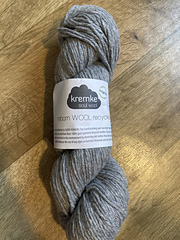
Reborn Wool Recycled

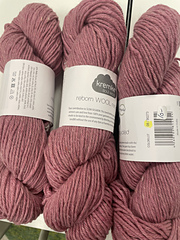
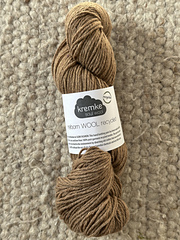
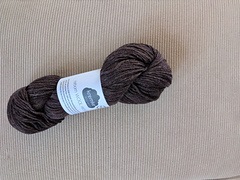
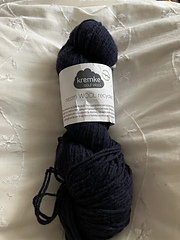
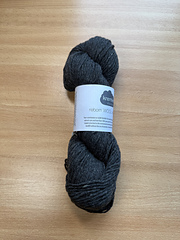
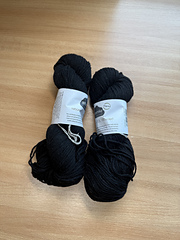
The touch of the yarn is nice, soft and woolly and not at all artificial. The colors look very natural and some have a kind of tweed effect. The thickness and character of the thread makes it very easy to knit with.
The important factor of recycled materials is that the used textiles don’t travel around the globe before they get recycled. This is why we buy this yarn from a family owned mill in India, where a lot of surplus textiles exist that can be used for this yarn.
About the production process: First the used garments are sorted according to fibres in factory. Any garment that is 60% and up wool would move along the wool sorting line, irrespective of the balance fibre blend. This could include items such as 100% wool garments, 60/40 wool/polyester, 70/30 wool/ acrylic, 80/20 wool/PA or any other of the many blends where wool is the pre-dominant (major) fibre. Nowadays, most stores hardly ever carry any 100% wool garments. Most of the wool garments available in the mass market are always wool blended.
Once these pre-dominantly wool garments move to the 2nd stage of sorting, they are then sorted according to colour. Once fibre of this wool blend is made, it is never 100% wool but is approx. 65% to 75% wool with rest of the fibres being a mix of Polyester, Viscose, Acrylic or any other fibre. It is impossible to take out only 100% wool garments from the (Post Consumer Used Textiles) PCT as the percentage of such garments would be too little and wastage would be very high due to unpredictable nature of the input feedstock. This percentage of wool changes from season to season, lot to lot and colour to colour. It can never be standard fixed percentage of wool due to the nature of the input feedstock.
Now once these wool garments are shredded into fibre, approximately 10-15% rPET (recycled polyester) is added in it. The rPet added depends on the count of the yarn and fibre blend that is spun. rPet is added to impart strength (as the fibre is weaker compared to virgin fibre) and evenness to yarn to the blend at time of spinning. The rPET added is again 100% Regenerated polyester recycled from PET Bottles.
995 projects

stashed 859 times
 stashed
 Find
Find
popular colorways

63 stashed
47 projects

41 stashed
35 projects
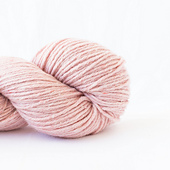
36 stashed
20 projects
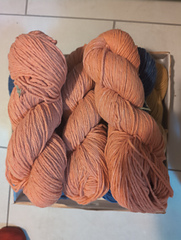
23 stashed
14 projects
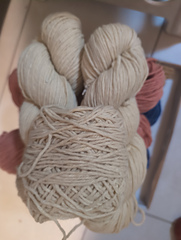
13 stashed
13 projects
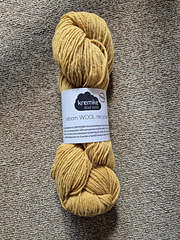
26 stashed
10 projects

54 stashed
46 projects
36 stashed
30 projects
32 stashed
43 projects
53 stashed
39 projects

45 stashed
47 projects

42 stashed
39 projects
14 stashed
8 projects

31 stashed
23 projects
23 stashed
18 projects
27 stashed
28 projects

12 stashed
10 projects
20 stashed
20 projects

47 stashed
22 projects

57 stashed
40 projects
19 stashed
28 projects
67 stashed
45 projects
45 stashed
46 projects
40 stashed
29 projects